
The Transformative Power of Exercise for Chronic Illness Management

Our pharmacists in Charlotte, Lancaster, and Rock Hill Share the health benefits of exercise for people with chronic illnesses

Living with a chronic illness requires a thoughtful balance of treatments, lifestyle adjustments, and self-care. While medications and therapies are essential, exercise is often an overlooked yet powerful tool for managing symptoms and improving overall well-being. At Carolina Pharmacy, our pharmacists recognize the profound impact of physical activity on chronic conditions and are here to guide you on how to incorporate it safely and effectively into your routine.

Why Exercise Matters for Chronic Illness?

Physical activity is more than just a way to stay fit—it’s a key component of chronic disease management. Regular exercise can:

• Strengthen cardiovascular health by improving heart function, circulation, and blood pressure control—critical for conditions like heart disease and hypertension.

• Regulate blood sugar levels by enhancing insulin sensitivity, making it especially beneficial for diabetes management.

• Support healthy weight maintenance, reducing strain on joints and lowering the risk of complications linked to obesity.

• Improve digestion and gut motility, easing symptoms for those with IBS or IBD.

• Boost mood and mental health by releasing endorphins, which help combat anxiety and depression often associated with chronic illness.

• Enhance sleep quality, promoting deeper, more restorative rest for better energy and recovery.

• Strengthen immune function, helping the body resist infections and illnesses.

• Increase energy levels by improving oxygen efficiency and reducing fatigue.

Finding the Right Exercise for Your Condition

Not all exercises are suitable for everyone, especially when managing a chronic illness. The key is to choose activities that align with your health status and limitations. Here are some safe and effective options:

  • Low-Impact Cardio: Walking, swimming, or cycling can improve heart health without excessive strain.
  • Strength Training: Light resistance exercises help maintain muscle mass and joint stability.
  • Flexibility & Balance Work: Yoga and tai chi enhance mobility while reducing stress.
  • Breath-Focused Exercises: Pilates or deep-breathing techniques can support lung function and relaxation.

Always consult with your doctor or pharmacist before starting a new exercise routine, especially if you have mobility restrictions or other health concerns.

Get Disease Management Tips from Your Local Pharmacists

At Carolina Pharmacy, we advocate for a holistic approach to healthcare, where exercise is integral to managing chronic conditions. Our pharmacists in Charlotte, NC  are committed to helping you stay on top of your health by providing guides, tips, and medications to manage your condition and improve your quality of life. Contact us today for guidance on integrating exercise safely into your healthcare regimen or improving your health with physical activities.
6 Myths About Medications Charlotte Residents Should Never Believe

6 Myths About Medications Charlotte, NC Residents Should Never Believe.

The modern age in which we live affords us plenty of benefits and luxuries, and one of the biggest is access to medications that treat the common illnesses we get and ultimately improve our quality of life. As the adage goes, though, “With great power comes great responsibility”.

If you’re currently being prescribed medication by your doctor and are receiving it from a pharmacist, you must separate facts from myths when it comes to taking your medication. One of the most important aspects of our medication management in Charlotte, NC is educating our patients about the facts when it comes to taking prescription medication. To that end, we’re going to quickly cover the six biggest myths about medications that our local residents should never believe.

Myth 1: Only Hard Drugs Can Cause Addiction

A common misconception among many people is that only “hard” drugs – cocaine and heroin, for example – introduce the risk of addiction. There’s no doubt that these drugs do introduce a very serious risk of addiction — with that said, prescription drugs such as opioid painkillers can be highly addictive if taken in high dosages for a long enough period.

If you’re currently receiving prescription drugs or anticipate being prescribed drugs in the future, let one of our pharmacists in Charlotte, NC know about any questions you may have regarding drug addiction prevention if you’re concerned about it, and follow the directions they give you regarding your medication use.

Myth 2: You Don’t Need to Complete Your Medication Dosage Once You Feel Better

It’s common for people to begin feeling better once they’ve made their way through part of their course of treatment. However, that doesn’t mean it’s a good idea to stop taking your medicine before you’re done with your dosage.

The fact of the matter is this: your doctor has put you on a full course of medication to help you feel better, and if you stop halfway through your course, you invite the opportunity for your illness to come back. You must speak with your pharmacist about how to calculate your medication dosage or if you’re thinking about stopping your medication due to cost-related reasons.

Myth 3: Herbal Supplements Are Always a Safer Choice

Things like herbal supplements may seem like safer alternatives to prescription drugs, but the fact of the matter is that these supplements are not FDA-regulated drugs; they are regulated as food products and therefore have no officially declared effectiveness when it comes to treating illnesses.

Additionally, the standards to which supplements adhere are not as stringent as those to which prescription drugs adhere. Speak with your pharmacist if you’re considering integrating herbal supplements with your managed care so that you can learn more about herbal supplement safety and when it’s best to use them.

Myth 4: Antibiotics Are Always The Answer

Antibiotics are far from always being the answer, contrary to popular thought. It’s tempting to assume that antibiotics are a one-way ticket to feeling better; in reality, antibiotics are best used to treat illnesses directly caused by bacteria. If you’re experiencing a virus-related illness, your doctor or pharmacist will recommend either over-the-counter medication or a full course of prescription drugs for treatment.

Myth 5: You Can Store Your Medication Anywhere

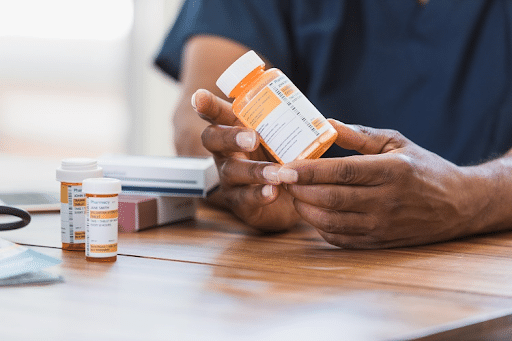
While it’s true that remembering to stick to your medications daily can sometimes seem irritating, it’s still never a good idea to store medication in places like on or near your bathroom sink. Storing your medicine in places like these will expose them to too much moisture and sunlight, which can compromise their efficacy. It’s important to follow official medication storage guidelines so that they properly treat your illnesses when you take them.

Myth 6: If You’re Hurting, You Can Ignore The Label And Take More Pills

Last but not least, it’s never a good idea to ignore that little white label on your medication container. The dosage on that label is there for a reason; medication dosages are calculated carefully for your safety and well-being, and if you take more than you’re supposed to, you may just end up feeling worse than you previously did.

Always ask your local pharmacists questions about how your dosages impact your health, and make sure to never ignore your label and take more pills.

Take Control of Your Health With Medication Management in Charlotte, NC

At Carolina Pharmacy, we take medication management for our local patients seriously. That’s why if you have any additional questions about how to properly manage your medication or are interested in taking advantage of our pharmacy consultation services, we encourage you to contact our pharmacists today!

A Complete Guide: Natural Ways to Prevent and Control Diabetes

Charlotte Pharmacist Shares 5 Natural Ways to Prevent and Control Diabetes

Diabetes affects millions worldwide, but simple lifestyle changes can help prevent and manage it effectively. At Carolina Pharmacy, we believe in empowering our Charlotte community with science-backed, natural strategies for better blood sugar control.

Diabetes can lead to a range of health conditions if not properly controlled. Stroke, heart disease, and kidney failure are typical manifestations of untreated or poorly managed diabetes. Preventing and controlling diabetes may help you reduce the risk of developing these conditions.

7 Natural Ways to Prevent and Control Diabetes

Living with diabetes doesn’t have to mean relying solely on medications. Nature provides powerful tools to help manage blood sugar levels effectively. These simple, science-backed strategies can help you take control of your health naturally while complementing your current treatment plan.

From dietary tweaks to stress-reducing techniques, these natural approaches work with your body’s systems to maintain healthy glucose levels. Best of all, they offer benefits that extend far beyond diabetes management, improving your overall well-being and vitality. Let’s explore these seven effective methods that can make a real difference in your diabetes journey.

1. Manage Stress to Keep Blood Sugar Stable

Stress triggers the release of cortisol, a hormone that raises blood sugar levels. Chronic stress can make diabetes harder to control.

Try these natural stress relievers:

  • Meditation & deep breathing – Just 10 minutes a day can lower stress hormones.
  • Yoga & tai chi – Combines movement with mindfulness for double benefits.
  • Spending time in nature – A simple walk outdoors can reduce stress.

2. Stay Hydrated with Water (Skip Sugary Drinks!)

Dehydration with diabetes is very common. Drinking enough water can help you keep your blood sugar levels within a normal range. In addition, staying hydrated can help your kidneys remove any excess sugar through urine.

How to Do It:

  • Aim for 1.6–2 liters per day (more if active).
  • Avoid soda, sweetened teas, and fruit juices—opt for herbal teas or infused water instead.
  • Aim for pale yellow urine – it’s a sign you’re well-hydrated.

3. Move More: Exercise Is a Natural Blood Sugar Regulator

Regular exercise promotes diabetes prevention and control. The right exercises can help you maintain a healthy weight if you have diabetes, lower your blood sugar, and improve your system’s sensitivity to insulin, which is the hormone that keeps your blood sugar level within normal ranges.

Best Exercises for Diabetics:

  • Aerobic exercises (brisk walking, swimming, cycling) – 30 minutes daily.
  • Strength training (resistance bands, bodyweight exercises) – 2-3 times a week.
  • Walking after meals – Just 10-15 minutes can lower post-meal blood sugar spikes.

Learn about the best exercises for diabetics in Charlotte, Rock Hill, and Lancaster, SC.

4. Eat a Diabetes-Friendly Diet

Diet and diabetes have a close relationship, so you need to know which foods to avoid if you have diabetes to prevent your blood glucose levels from spiking. Food choices directly impact blood sugar levels.

What to Eat:

✅ High-fiber foods – Oats, quinoa, lentils, and leafy greens slow sugar absorption.
✅ Healthy fats – Avocados, nuts, and olive oil improve insulin sensitivity.
✅ Lean proteins – Fish, chicken, and tofu help stabilize glucose.

What to Avoid:

🚫 Refined carbs – White bread, pasta, and pastries spike blood sugar.
🚫 Sugary drinks – Sodas and fruit juices cause rapid glucose surges.
🚫 Processed foods – Often high in hidden sugars and unhealthy fats.

5. Prioritize Quality Sleep

Poor sleep disrupts insulin function and increases cravings for sugary foods.

How to Improve Sleep:

  • Stick to a schedule – Go to bed and wake up at the same time daily.
  • Limit screens before bed – Blue light disrupts melatonin (sleep hormone).
  • Create a relaxing routine – Try reading or warm tea to wind down.

6. Use Blood Sugar-Balancing Herbs & Spices

Certain natural ingredients help regulate glucose metabolism.

Best Options:

  • Cinnamon – May improve insulin sensitivity (½ tsp daily).
  • Fenugreek seeds – High in fiber, slows sugar absorption (soak 1 tsp overnight).
  • Apple cider vinegar – 1 tbsp in water before meals may lower post-meal spikes.

7. Monitor Blood Sugar & Get Regular Checkups

More than 37 million people living in the United States have diabetes. If you have diabetes, managing your blood sugar shouldn’t be a short-term goal. It’s important that you take measures beyond the typical medication management methods to treat your diabetes. 

How to Stay on Track:

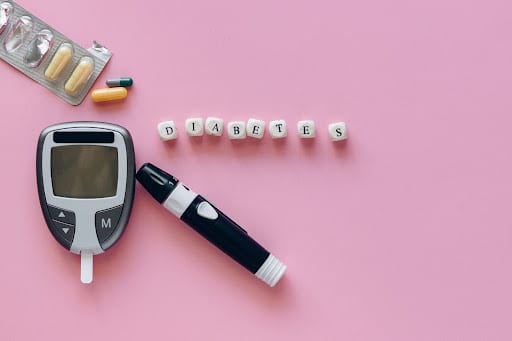
  • Test regularly – Use a glucose meter if advised by your doctor.
  • Keep a log – Track food, exercise, and blood sugar patterns.
  • Visit your pharmacist – Routine checkups ensure optimal management.

Need Help Managing Diabetes in Charlotte?

As part of our pharmacy care services, we provide diabetes management so you don’t have to depend on countless medications to manage your blood sugar levels. It includes:

  • Blood sugar monitoring
  • Medication management
  • Lifestyle & nutrition guidance

 Contact us today for expert support in your diabetes journey!

Final Thoughts

Diabetes doesn’t have to control your life. By making smart food choices, staying active, managing stress, and monitoring regularly, you can take charge of your health naturally.


How To Deal With the Medication Shortage in North Carolina

How To Deal With the Medication Shortage in North Carolina

You can access the most recent news updates about the medication shortage on WSOC-TV and WCNC Charlotte.


What You Need To Know:

  • As of November 15th, 2022, North Carolina residents have reported issues finding several medications in pharmacies across North Carolina, including:
    • Tamiflu
    • Amoxicillin
  • Tamiflu demand has skyrocketed thanks to a higher number of flu cases in the area.
  • Compounding pharmacies can create these medications to help with the increasing demand.

How Carolina Pharmacy Is Helping With the Medication Shortage in North Carolina

As a compounding pharmacy in Charlotte, NC, Carolina Pharmacy is able to create medications like Tamiflu and Amoxicillin in times of crisis. We are also currently working with smaller wholesalers, so we can keep our shelves stocked with these important medications. 

If your pharmacy is ever out of the medication you need, you can fill your prescription at our pharmacy with our prescription services. We will continue to keep an eye on the situation as it unfolds. We will also not raise the prices of these medications so patients can get what they need during the flu season. 

If you are not near one of our pharmacies in Charlotte, NC, we recommend calling multiple pharmacies in your area to find which one has the medication you need. Some pharmacies are still fully stocked with Tamiflu and Amoxicillin while others are still waiting on supplies. 

If you have questions about how we create our medications, or you want to know what medications we have in stock, you can contact us today. We’re happy to help.

Call Now Button